
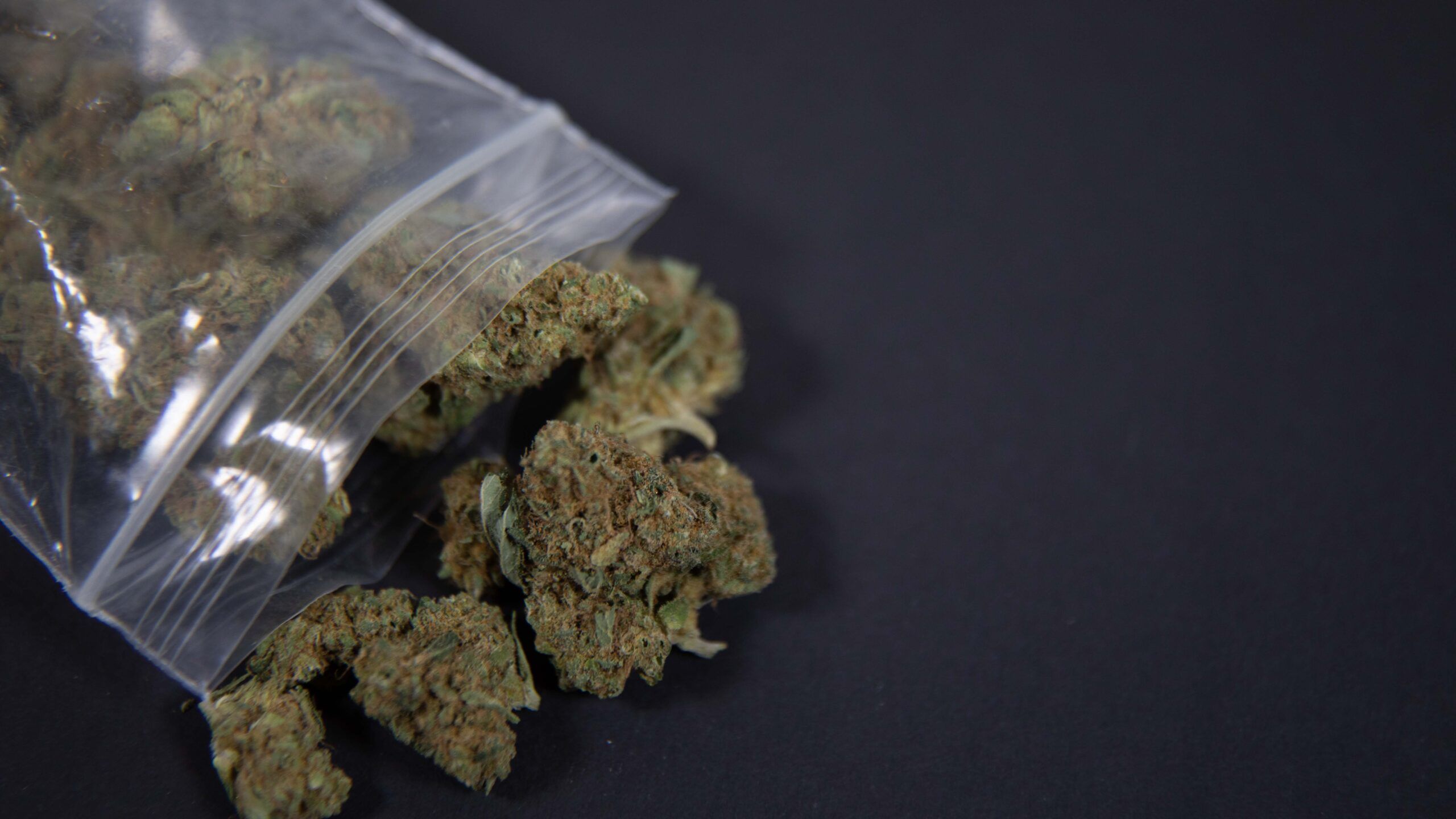
In a legal market, cannabis testing can feel like boring paperwork—until someone ends up with a product that doesn’t match the label, or worse, contains something that doesn’t belong in lungs or bloodstreams. The most dangerous part of black market and non-tested marijuana isn’t always the high. It’s the uncertainty: unknown potency, unknown ingredients, and zero accountability when something goes wrong.
One of the clearest cautionary stories comes from the 2019–2020 outbreak of e-cigarette, or vaping, product use–associated lung injury (EVALI). Investigations repeatedly found that many patients reported using THC vaping products sourced from informal or illicit channels, and laboratory evidence strongly linked vitamin E acetate—an additive found in some THC vape liquids—to the outbreak. The takeaway for consumers is blunt: illicit cartridges can contain cutting agents that were never intended to be inhaled, and the harm may not be obvious until serious symptoms appear.
Beyond vape additives, non-tested flower, concentrates, and edibles can carry a different set of risks: contaminants that regulated labs are specifically designed to detect. Cannabis can accumulate or pick up pesticides, heavy metals, microbes (including molds), and residual solvents depending on how it was grown, processed, or stored. Public health and environmental health literature has emphasized that cannabis products can deliver contaminants such as pesticides, molds and bacteria, metals, and solvents—exposures that are harder to predict when products are unregulated. Federal workplace safety guidance has also highlighted chemical and biological hazards in cannabis environments, reinforcing that contamination risks are not theoretical.
Then there’s the label problem. In unregulated channels, potency claims are marketing, not measurement. Consumers may think they’re buying a mild product and end up with something far stronger—or the opposite, which can lead to overconsumption as people chase effects that never arrive. Edibles are especially risky when packaging and dosing are misleading. Regulators and poison control centers have raised concerns about intoxicating hemp-derived products and lookalike items, where adverse event reports and manufacturing inconsistencies have become part of the broader safety conversation.
So what does “tested” really buy the consumer? It buys a paper trail and a baseline: screens for microbial contamination, pesticide residues, heavy metals, and residual solvents—plus verified potency and, depending on the jurisdiction, other safety checks. And if a brand fails, there is at least a mechanism for recalls and enforcement. Illicit markets don’t do recalls. They just move on.
For consumers trying to reduce risk, the practical advice is simple: favor licensed retailers, avoid “mystery” cartridges and counterfeit snack-style edibles, and treat unusually cheap products as a red flag rather than a bargain. The hidden danger of non-tested cannabis is that it turns every purchase into a guessing game—one where the stakes can be much higher than a bad experience.